
-
Mike Franklin
-
Mike DeRosa
-
|
|
|
||||||||||||||||||||||||||||||||||
|
|
|||||||||||||||||||||||||||||||||||
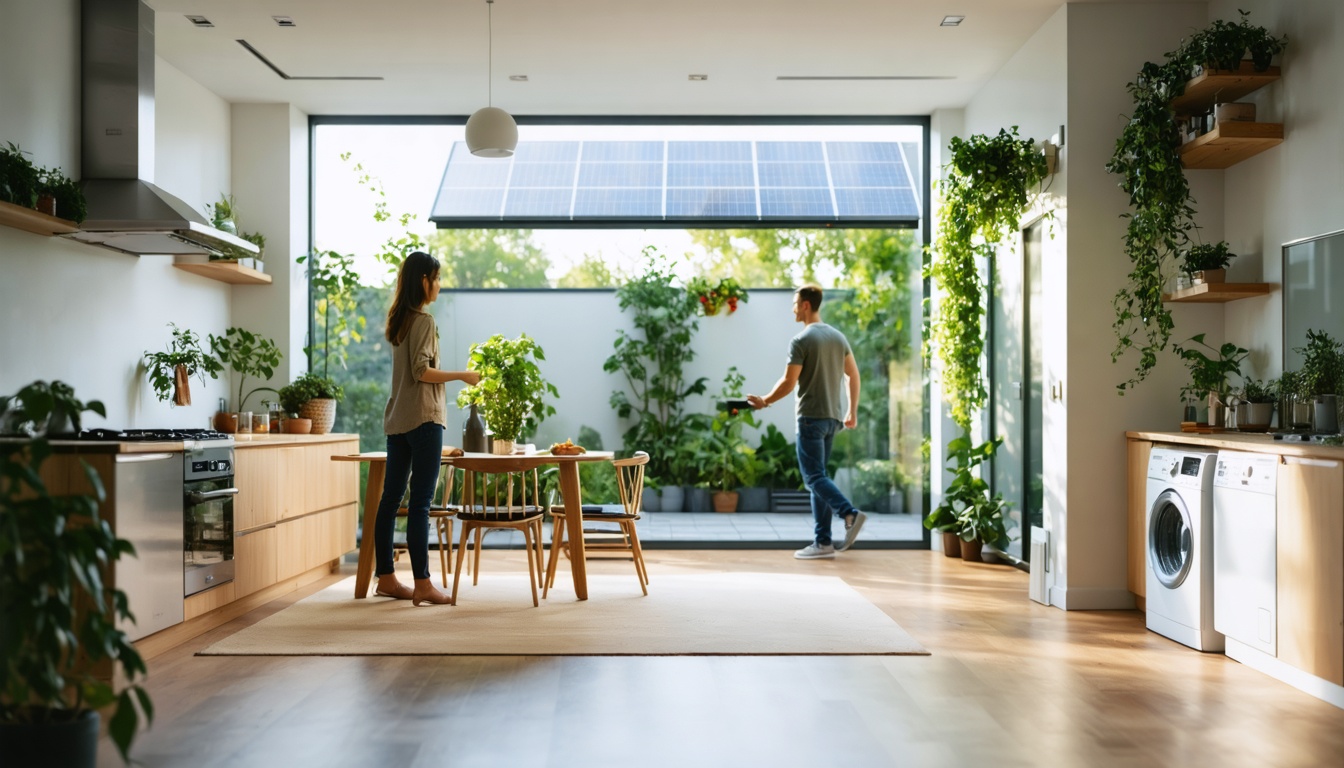
Many households spend more on electricity than necessary due to unnoticed habits that contribute to energy waste. Small, intentional changes—such as adopting energy-efficient technologies and reevaluating appliance usage—can lead to reduced consumption, lower energy bills, and a positive impact on sustainability. However, effective energy savings extend beyond simple measures like turning off lights or unplugging devices; it begins with a thorough understanding of energy consumption patterns. Identifying key sources of energy use is essential for improving efficiency. For instance, heating and cooling systems often account for a significant portion of residential energy consumption, emphasizing the importance of regular maintenance and the potential benefits of programmable thermostats. Furthermore, appliances such as refrigerators, water heaters, and washing machines typically use considerable energy, and opting for Energy Star-rated models can lead to substantial savings over time. Additionally, behavioral changes can have a meaningful impact. For example, practices such as using natural light during the day, minimizing the use of standby mode on devices, and running appliances during off-peak hours can contribute to energy conservation. It is also beneficial to conduct an energy audit, either independently or professionally, to identify specific areas where efficiency can be improved. In summary, understanding and addressing the factors contributing to electricity consumption allows for targeted actions that can effectively reduce energy waste within households.
Understanding household energy consumption is important from both economic and environmental perspectives. In the United States, the average household consumes about 10,332 kilowatt-hours (kWh) of electricity each year. This consumption typically leads to a monthly utility bill averaging around $1,656.
A considerable amount of household energy usage can be attributed to various factors including plugged-in electronics, water heaters, and heating systems. For instance, phantom power—where devices continue to consume energy even when turned off—can lead to additional costs. Other contributing factors include cold air leaks, frequently opening refrigerator doors, and neglecting to turn off lights, all of which can increase energy expenditure.
To address these costs, several strategies can be implemented. Unplugging devices when not in use, turning off lights in unoccupied rooms, and replacing traditional bulbs with LED alternatives can result in significant energy savings. Additionally, utilizing natural light during daylight hours can reduce dependence on electric lighting.
Adopting smart energy management practices, such as using power strips to control multiple devices or setting timers and smart plugs to turn off electronics automatically, can enhance energy efficiency.
These practical adjustments not only promote effective energy use but may also lead to considerable financial savings over time, ultimately contributing to reduced household energy waste.
When evaluating strategies to minimize electricity waste, it is important to differentiate between energy efficiency and energy conservation.
Energy efficiency involves the use of devices and technologies that consume less energy while performing the same functions. For example, LED light bulbs use significantly less electricity compared to traditional incandescent bulbs. Implementing such technology can lead to cost savings without requiring significant changes in consumer habits.
In contrast, energy conservation focuses on behavioral adjustments that result in decreased energy usage. Actions such as turning off lights when leaving a room or unplugging appliances that are not in use to prevent phantom power consumption are typical examples of conservation efforts.
Both energy efficiency and energy conservation can lead to reduced utility bills. Employing energy-efficient technologies alongside conservation practices—such as using power strips for multiple electronic devices and optimizing settings on heating and water heating systems—can provide meaningful long-term savings.
Therefore, both strategies are valid approaches for effectively managing energy consumption.
Identifying and addressing common habits in household energy usage can lead to a reduction in electricity costs. For example, leaving incandescent lights on when they are not needed not only results in wasted electricity but also generates additional heat. This excess heat can lead to increased cooling costs, particularly in warmer months. Transitioning to LED light bulbs is an effective alternative, as they have lower energy requirements and can result in significant savings over time.
Utilization of natural light during the day can help decrease dependence on artificial lighting. Furthermore, implementing devices such as timers or motion sensors can automatically turn off lights when they are not needed, which can further reduce energy consumption.
Another key aspect to consider is the proper management of refrigerator use. Prolonged opening of refrigerator doors allows cold air to escape, causing the appliance to expend more energy to maintain the desired temperature. This increased workload may contribute to higher overall energy consumption.
In addition, unplugging electrical devices and power strips when they are not in use can minimize phantom load—an issue that refers to the electricity consumed by devices while in standby mode. This can represent a considerable portion of total electricity usage.
Adopting these straightforward habits can lead to measurable reductions in energy consumption and lower utility costs over time. Each minor change plays a role in enhancing the overall energy efficiency of a household.
Phantom power represents a significant source of energy loss in households, primarily due to devices that draw electricity even when not actively in use. Common sources of phantom power include plugged-in electronics, light bulbs left in sockets, and chargers connected to power outlets. These devices can continue to consume electricity even when switched off, leading to unnecessary energy expenditure.
To mitigate these losses, several strategies can be employed. Unplugging devices when they are not in use is an effective approach to eliminate phantom power consumption. Smart power strips can also be utilized to improve energy efficiency; these devices automatically cut off power to electronics that are in standby mode.
Additionally, transitioning to LED light bulbs is advisable, as they consume substantially less energy compared to traditional incandescent bulbs and generally have a longer operational lifespan.
Implementing small behavioral changes can further enhance energy efficiency. For example, turning off lights in unoccupied rooms and utilizing natural light when possible can contribute to reduced energy use.
These practices lead to noticeable declines in energy consumption and, consequently, lower utility bills over time. The adjustments necessary to achieve these savings do not impose significant sacrifices in comfort or functionality, enabling households to continue their normal routines while benefiting from enhanced energy efficiency.
Many households use a variety of appliances for daily tasks, and optimizing their usage can lead to measurable energy savings. One practical method is to choose energy-efficient models, which typically consume less electricity than standard versions. In addition, unplugging devices when they are not in use, or using a power strip to easily disconnect multiple devices, can help reduce phantom power losses—situations where appliances draw power even when turned off. For residents in Brooklyn, exploring Solar Power in Brooklyn can also be a strategic approach to further cut energy costs and promote sustainability.
Regular maintenance of appliances is important for improving energy efficiency. For example, cleaning the coils of a refrigerator on a regular basis can enhance its performance, allowing it to operate more efficiently and use less energy. Additionally, reducing the frequency and duration of the refrigerator door being opened can lessen the compressor's workload, further decreasing energy consumption.
When it comes to dishwashers and washing machines, running these appliances at full capacity can optimize both water and energy usage. This not only minimizes the number of cycles needed but also contributes to lower utility bills over time.
Furthermore, adjusting the temperature setting on water heaters to below 120°F can decrease unnecessary heating, thereby yielding additional cost savings.
Incorporating more efficient appliance usage—such as switching to LED light bulbs and ensuring that lights are turned off when not in use—can lead to ongoing reductions in electricity expenses. Implementing these strategies allows households to effectively manage energy consumption and potentially realize financial benefits over the long term.
Maximizing the use of natural and LED lighting can lead to a notable reduction in energy consumption in residential settings. The transition to LED light bulbs is an effective strategy for achieving energy savings, as these bulbs consume less electricity and generate less heat compared to traditional incandescent bulbs, which can consequently lead to lower monthly utility expenses.
Incorporating natural light into living and working spaces can further decrease reliance on artificial lighting, thereby reducing electricity usage. This can be achieved through architectural design choices such as the positioning and size of windows or the use of skylights, which allow for increased daylighting without requiring significant changes to daily routines.
To enhance energy efficiency, a consistent practice of switching off lights when leaving a room is recommended. Additionally, the installation of timers for outdoor lighting can help manage usage effectively. Although these changes may seem minor, they can result in significant energy savings over time.
Furthermore, taking advantage of available lighting incentives, such as rebates or discounts for energy-efficient products, can provide economic benefits. Unplugging electrical devices when not in use is another measure that can contribute to a reduction in both energy consumption and cost.
In conclusion, a methodical approach to the use of lighting can improve energy efficiency and lead to measurable economic advantages.
The efficiency of a home’s temperature management is significantly affected by the operation of heating and cooling systems. By making small adjustments to these systems and improving insulation, homeowners can achieve a substantial decrease in electricity consumption while maintaining comfort.
For example, it is advisable to set air conditioning units to operate at temperatures above 26℃ during summer months and to maintain heating settings between 18-20℃ in winter. These practices commonly lead to reduced energy usage and lower utility expenses.
Moreover, implementing weatherstripping on doors can effectively reduce air leakage, allowing heating and cooling systems to function more efficiently. This measure not only enhances comfort but can also result in lower long-term operational costs.
The integration of smart thermostats can further aid in energy conservation, as these devices can optimize temperature settings based on occupancy and individual preferences.
Additional strategies to improve comfort without increasing energy demand include wearing suitable clothing for the season and employing effective sealing techniques. Furthermore, simple habits such as turning off lights when they are not needed and switching to LED bulbs can contribute to overall energy efficiency.
In summary, practical modifications and efficient practices are key in achieving noteworthy reductions in energy usage, which can lead to both financial savings and a positive environmental impact.
Incorporating small behavioral changes into daily routines can significantly reduce household electricity consumption. Simple actions, such as turning off lights when exiting a room, switching to LED light bulbs, and utilizing daylight effectively, can enhance energy efficiency while lowering utility bills.
Additionally, unplugging devices or employing a power strip can help prevent phantom power loss, which occurs when electronics remain connected to power sources even when switched off.
Organizing refrigerator contents to minimize door openings can also contribute to energy conservation by maintaining cooler temperatures, thus reducing the energy required for temperature recovery.
For households aiming to optimize savings, scheduling energy-intensive tasks, such as laundry or dishwashing, during off-peak hours can further decrease electricity costs.
These changes typically do not necessitate financial investment and can provide measurable long-term benefits in energy conservation.
Involving the entire family in energy-saving initiatives can result in notable reductions in electricity expenses, while also improving the efficiency of household routines. Implementing simple practices, such as ensuring that lights are turned off when not in use and unplugging devices that consume standby power, can effectively reduce energy consumption.
Encouraging children to monitor electronics that remain plugged in may foster long-term habits of energy conservation. Additionally, minimizing the frequency and duration of refrigerator door openings can prevent the loss of cold air, thereby reducing energy costs associated with maintaining the temperature inside the refrigerator.
Adopting energy-efficient technologies, such as LED light bulbs, can result in substantial savings in electricity usage over time. Other measures, such as utilizing natural light during the day and operating water heaters only when necessary, also contribute to energy conservation efforts.
Furthermore, consolidating devices on a power strip allows for easier disconnection of multiple electronics, simplifying energy management and reducing unnecessary power draw.
Through collective participation in these practices, families can achieve measurable energy savings without significant effort.
Finding support for reducing electricity waste in residential settings involves utilizing various community resources and incentives. Local utility providers frequently offer programs that include rebates for the purchase of energy-efficient products, such as LED light bulbs, high-efficiency water heaters, and modern heating systems. Implementing these energy-efficient upgrades can lead to reductions in utility expenses over time.
Many communities also provide complimentary energy audits. These audits can assist homeowners in identifying appliances and devices that consume more energy than necessary, even when not in active use. The potential cost savings from rectifying these inefficiencies can be significant, depending on the household's energy consumption patterns.
Moreover, community initiatives may include programs that encourage participation and information sharing about energy conservation efforts on social media platforms. These initiatives can help maintain awareness and engagement with energy-saving measures.
Additionally, homeowners can adopt practical habits, such as unplugging devices when not in use and employing power strips to mitigate phantom energy loads. These straightforward changes can further enhance energy efficiency.
Overall, the combination of available resources and strategies can support homeowners in improving their energy management practices while lowering electricity costs.
Smart energy habits can effectively reduce household electricity waste, leading to lower electricity bills and a diminished environmental impact. Implementing behavioral changes, utilizing energy-efficient appliances, and adopting smart technology can collectively contribute to decreased energy consumption. Behavioral shifts, such as turning off lights when leaving a room, using natural daylight, and reducing the use of high-energy devices during peak hours, can minimize energy use. The adoption of energy-efficient appliances, which meet certain standards for energy consumption, can further enhance efficiency and reduce waste. Smart technology, such as programmable thermostats and energy monitoring devices, allows homeowners to track and adjust their energy use based on real-time data, making it easier to identify and reduce unnecessary consumption. Engaging all members of a household in energy-saving practices and utilizing community resources, such as local energy audits or educational programs, can amplify these efforts. Collectively, these measures can lead to significant long-term savings and support broader sustainability initiatives. Ultimately, adopting smart energy habits not only contributes to individual financial savings but also promotes a more responsible approach to energy consumption within the community.
|
Broker: Select Sotheby's International Realty 
Latest Posts ZIP Code 13081: A Hidden Gem in New York's Finger Lakes RegionOur partnership with EnergieKasino represents a significant advancement in delivering premier online casino experiences. EnergieKasino boasts an extensive selection of slot machines, complemented by a diverse array of table games that cater to all types of players. Leveraging cutting-edge technology, the platform ensures seamless gameplay that enhances user engagement. This collaboration allows us to offer our audience a truly exceptional online casino experience, characterized by high-quality graphics and fluid performance. Together with EnergieKasino, we are committed to redefining the online gaming landscape for our valued players. Sotheby’s International Realty® is a registered trademark licensed to Sotheby’s International Realty Affiliates LLC. Each Office Is Independently Owned and Operated. Broker fully supports the principles of the Fair Housing Act and the Equal Opportunity Act. |